Non-Toxic BeddingWhat is in bedding, and what each label covers
No US law defines non-toxic for a sheet, a pillow or a comforter. This guide sets out what each material carries from field and factory, which certificate checks which layer, and which added chemicals show up in which product. Every claim links to the document it comes from.
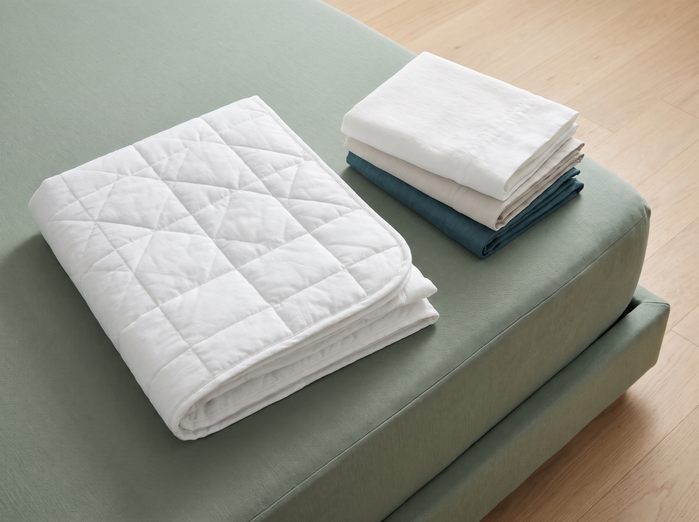
Which US states restrict PFAS and other added chemicals in bedding, and from what date?
PFAS are the fluorinated chemicals behind many water-resistant and stain-resistant fabric finishes. Our guide to what PFAS are and why some bedding fabrics carry them covers the chemistry, and this page covers the law: which states keep them out of the bedding sold there, and when each rule starts.
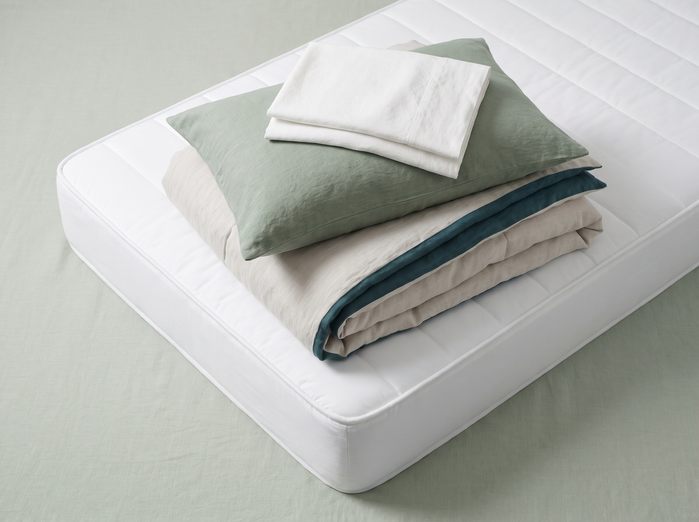
Which added chemicals can non-toxic bedding leave out, layer by layer?
Bedding can leave the factory with finishes, residues and treatments on it that you can't see on the finished product. This guide sorts them by product and names the rule, if there is one, that limits each.
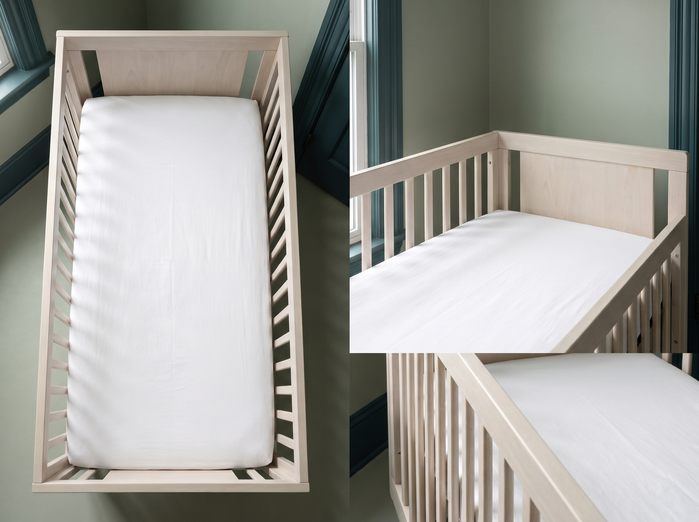
What makes crib and toddler bedding non-toxic, and why are the limits stricter for babies?
Crib bedding has tighter chemical limits than adult bedding because a baby's body takes in more of whatever a fabric carries.
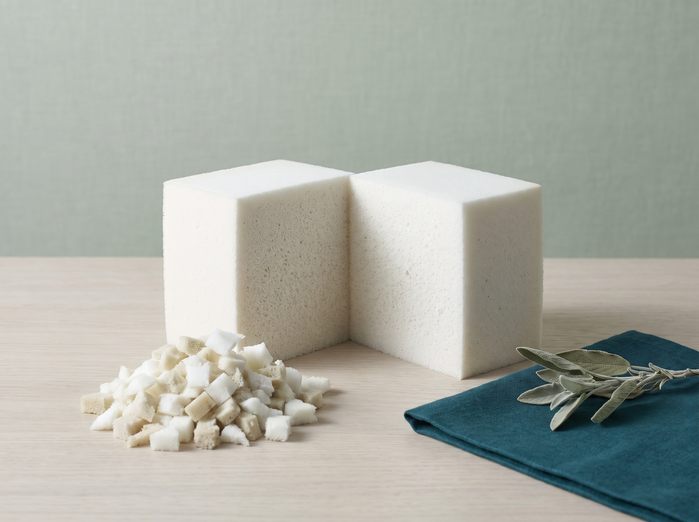
What is in polyurethane foam bedding, and what does a CertiPUR-US label test?
This page covers what goes into polyurethane foam, memory foam included. It also covers what the CertiPUR-US label on your foam bedding checks and what it leaves out.
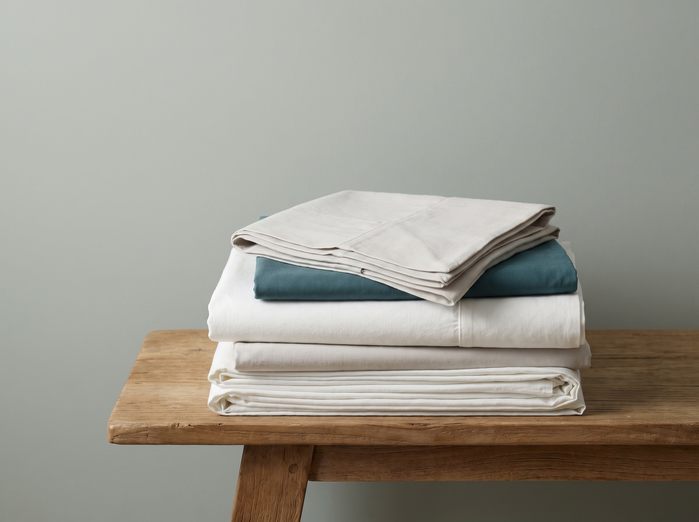
What does OEKO-TEX STANDARD 100 test bedding for, and what does it leave out?
OEKO-TEX STANDARD 100 is one of the labels you will see most often on sheets, pillowcases and duvet covers sold in the US. It is a lab check of the finished item for harmful substances, not a promise about how the item was made. This page covers what the test checks, what it never looks at, and what sellers print about it. It is part of our guide to what non-toxic bedding means.
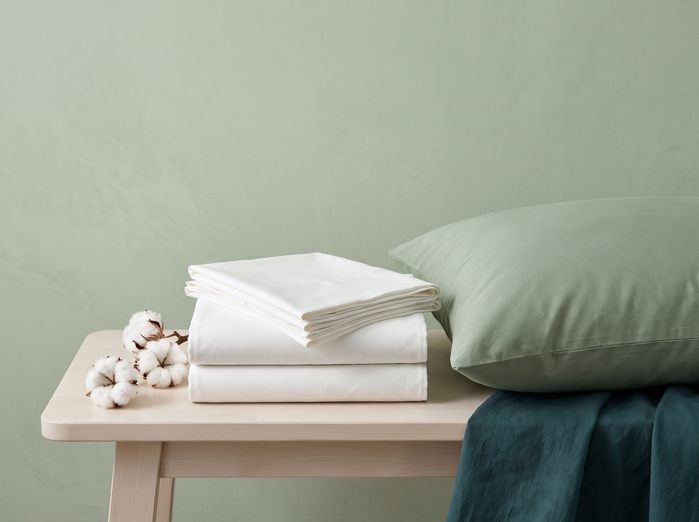
What does non-toxic mean on a bedding label, and who decides?
The word "non-toxic" appears on sheets, pillows, duvets and mattress protectors sold across the United States. This entry explains who makes the rules around the word and what evidence lets you check it. It sits under our broader page on what non-toxic bedding means.
About Non-Toxic Bedding
Who decides whether bedding is non-toxic?
Nobody, in law. The word is a seller's claim, and the evidence behind it is a certificate, a test report or a list of what was left out.
The Federal Trade Commission's Green Guides warn sellers against broad environmental claims they cannot back up (16 CFR Part 260). Non-toxic sits in that family of words. So the useful question on any label is narrower: which substances were tested for, in which part of the product, and by whom.
Our page on what non-toxic bedding means walks through the bed from the fabric you touch down to the core.
Why does one certificate rarely cover a whole bed?
Each scheme checks something different: the fiber's farming, the finished fabric's residues, or what the product gives off into the air.
An organic fiber standard follows the cotton or wool from farm to finished textile. A residue test checks a finished item against a list of limit values. An emissions test measures what a product releases into a test chamber. A bed with all three has three different kinds of proof. The certificates page sets them side by side.
What does this guide cover?
Every layer of a made bed, read the same way: the material, the processing, the finish and the label.
Cotton, linen, wool, silk, down, bamboo viscose, polyester and foam, and what each brings with it.
What GOTS, OEKO-TEX, GREENGUARD and others actually test, and where each one stops.
Finishes, dyes, water and stain repellents, and fire rules, by product type.
The states that restrict added chemicals in bedding, compiled with their dates.
What changes for crib and toddler bedding, where the test limits are strictest.
A line-by-line list of what a complete label states, and what a vague one leaves out.
Common questions
Is there a legal definition of non-toxic bedding in the US?
No. The claim has to be backed by the evidence a seller gives with it, such as a named certificate and its scope.
What does this guide not do?
It does not test products or rank sellers. It compiles standards, rules and published research.